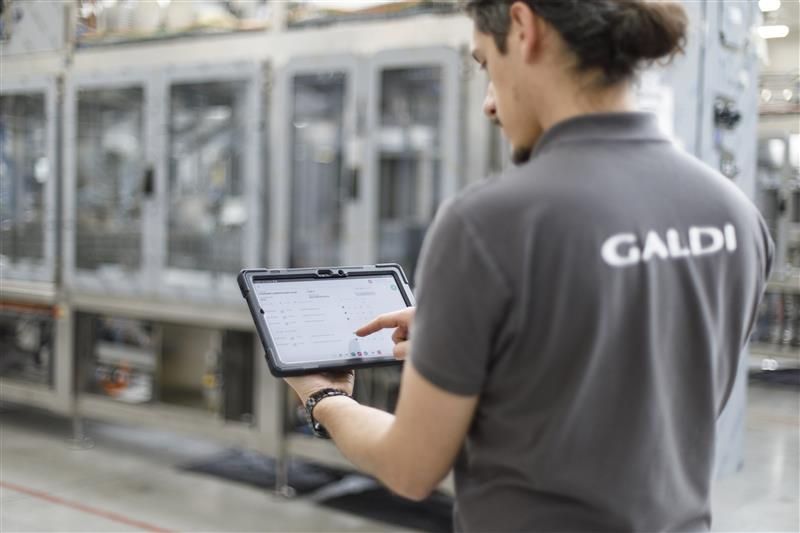
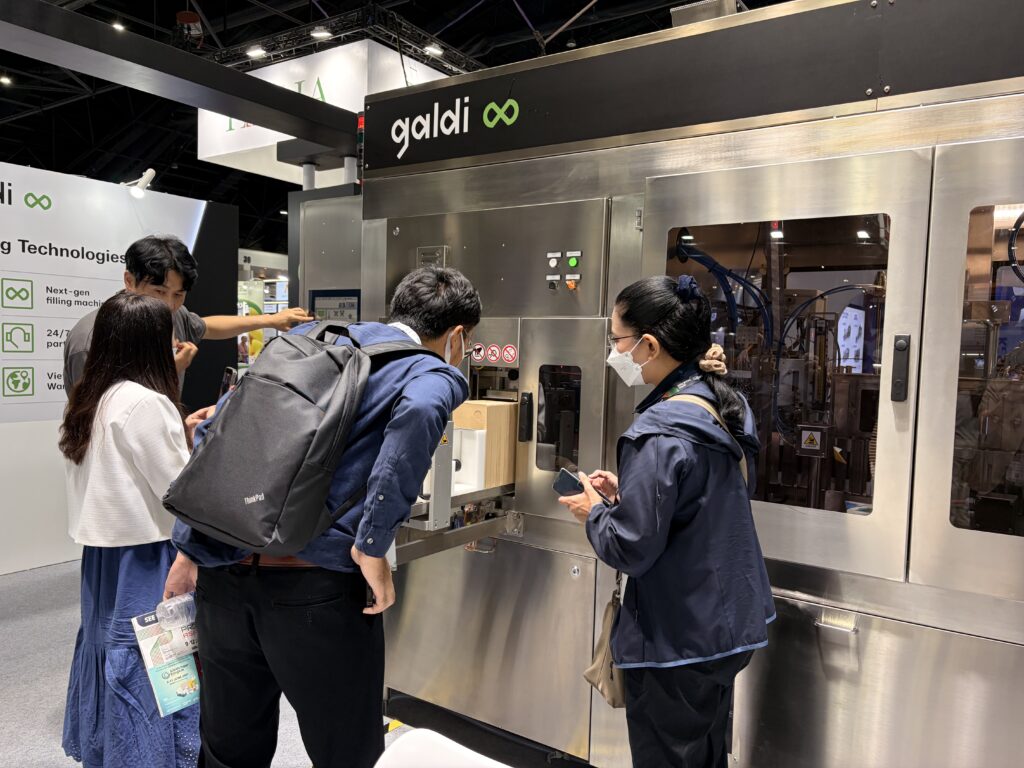
At trade shows, one question our team frequently hears from beverage manufacturers is: “How long does it take to clean the machine?”
For manufacturers filling different types of juices or other beverages, cleaning is required between production runs. This means the filling machine needs to stop, which can interrupt production schedules and reduce the time available for filling. As highlighted in Siemens’ analysis of the true cost of downtime, production downtime can have a significant impact on manufacturing operations.
For this reason, cleaning time is an important consideration when evaluating a new filling machine. But speed is not the only factor. Cleaning must also be thorough, safe and consistent to maintain the hygiene required for food and beverage production.
Galdi filling machines are designed to support efficient cleaning and sanitation, helping manufacturers reduce unnecessary downtime while maintaining the required level of hygiene.
Filling machine cleaning cycles: Design and innovation
We look at cleaning from the design stage of our filling machines. The goal is simple: make cleaning easier, faster and more hygienic.
We study the full cleaning process and look at different parts of the machine, including those in direct contact with the product, those in indirect contact, and areas that do not touch the product.
This helps us identify where cleaning can be improved and where the risk of contamination can be reduced.
Automation also plays an important role. Some cleaning operations can run automatically, while others can take place at the same time as manual cleaning. This helps reduce the overall cleaning time without compromising hygiene.
Through continuous research, testing and development, we keep improving our cleaning technologies to make each cycle faster, more consistent and more efficient. From machine design to automation, every improvement is aimed at making cleaning easier while maintaining the required level of hygiene.
Our latest solutions include:
CIP and SIP: automated cleaning and sanitisation
- Automated cleaning: Mechanical parts no longer need to be manually taken apart for every cleaning cycle.
- Automated dosing cover: The dosing cover opens and closes automatically, making cleaning easier and helping reduce the risk of contamination.
- Pressurised steam SIP: Machines such as the RG280 use pressurised steam for sanitisation, helping deliver consistent sanitisation results.
- Self-CIP unit: Our fully automatic Self-CIP unit helps optimize cleaning time and resource use, while giving operators better monitoring and control.
COP and SOP: easier cleaning of machine areas
For parts that require cleaning outside the main cleaning process, we also focus on making access and cleaning easier:
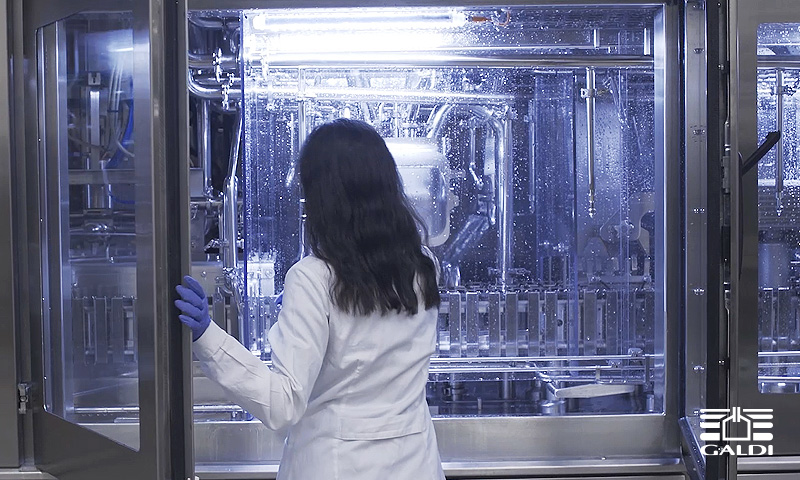
- Automatic cleaning: The RG280 uses strategically positioned spray balls to support automatic cleaning of the hygienic chamber and air ducts.
- Better access: Larger windows provide better visibility and easier access during cleaning and production.
- Optimised foaming: The cleaning process is designed to reduce foam residue at the end of the cycle, helping reduce the risk of contamination.
Together, these solutions help make cleaning simpler, more automated and more consistent, while reducing the time needed between production runs.
How Galdi filling machine reduces resource consumption
Cleaning efficiency is not only about saving time. It is also about using water, chemicals and energy more efficiently.
For our next-generation RG280, we have introduced several solutions to reduce resource consumption during cleaning and sanitisation:
- Pressurised steam SIP: Compared with cold peracetic acid systems, the pressurised steam process can help reduce resource use, saving around 400,000 litres of water and approximately 1,000 kg of chemicals per year.
- External cleaning with recirculating soda and acid: By recirculating the cleaning solution and controlling its temperature, water consumption can be reduced by around 25%, while chemical consumption can be reduced by approximately 9,000 kg per year compared with traditional foam-based systems.
- Simultaneous CIP and COP: The RG280 can run CIP and COP processes at the same time, helping shorten the overall cleaning cycle and get the machine back into production sooner.
These improvements help us reduce the resources needed for cleaning while maintaining the hygiene and cleaning performance required for food and beverage production.
Fast cleaning, more time for production
For beverage manufacturers, cleaning is a necessary part of production, but it should not become a major source of downtime.
At Galdi, we continuously research, test and improve our cleaning technologies to make our filling machines faster, safer and more efficient to clean. From hygienic machine design and automated cleaning to resource-saving solutions, every improvement is aimed at making the cleaning process more effective.
For manufacturers filling different products on the same line, a more efficient cleaning cycle means less time waiting between production runs and more time in production.
Want to learn more about Galdi’s filling machines and cleaning solutions? Contact our team to discuss your production requirements.