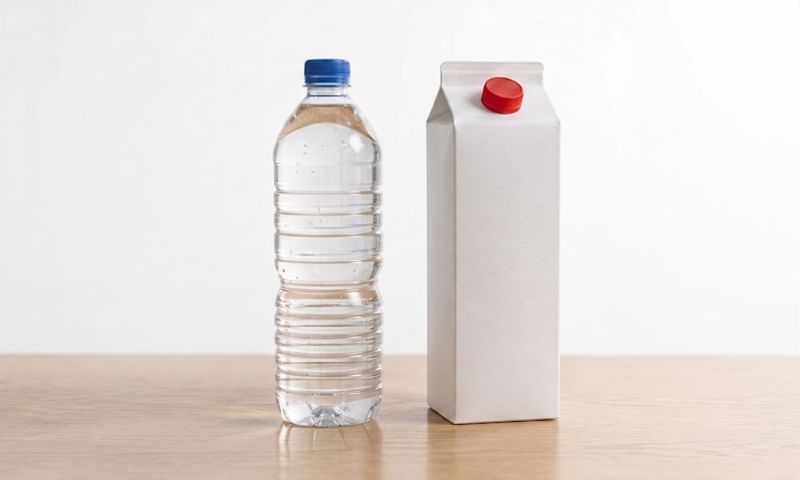
Last June at ProPak Asia in Bangkok, our team had the opportunity to connect with forward-thinking food and beverage manufacturers from across the region. Amidst the showcase of new technologies, one recurring conversation stood out at our booth. Many producers – whether handling premium dairy, fresh fruit juices, or liquid eggs – are looking to future-proof their production lines. Yet, when it comes to upgrading packaging formats, senior management often faces a challenging operational question: Is it time to finally transition away from traditional rigid plastic bottles?
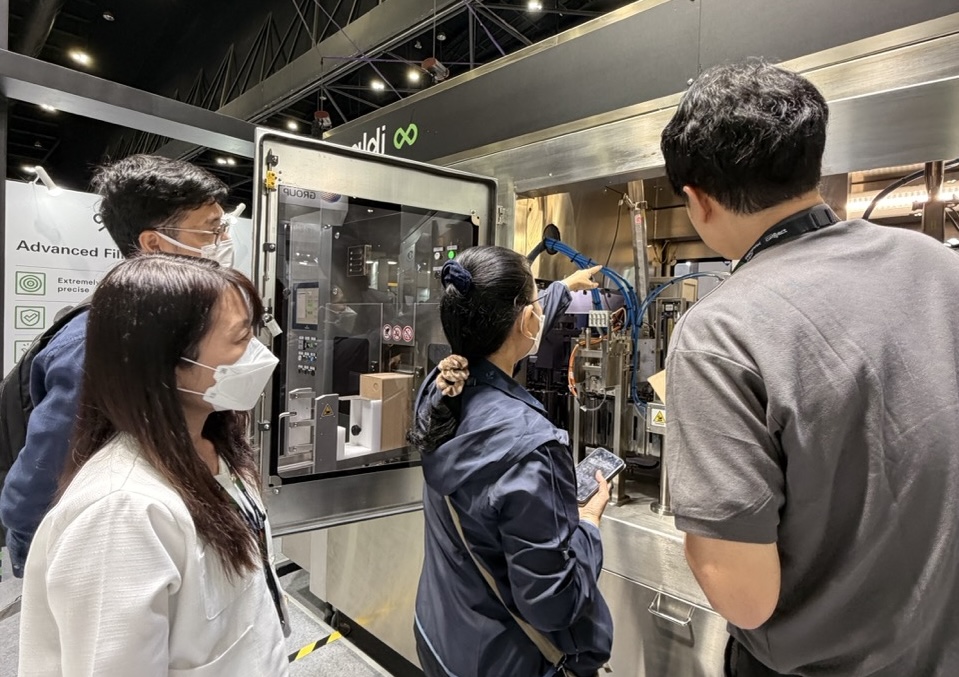
The hesitation to abandon existing bottling lines is completely understandable. For many facilities, plastic has been the default standard for years, and changing formats feels like a massive leap. However, as we discussed with numerous visitors on the exhibition floor, the Asian F&B market is rapidly shifting. When evaluating long-term operational efficiency, logistical costs, and sustainability targets, gable top cartons are proving to be the superior choice.
For those who spoke with our technical team in Bangkok – and for any manufacturer currently navigating this exact packaging dilemma – let’s break down exactly why making the switch to gable top cartons is the smartest strategic move for your product and your bottom line.
Consumer perception: Fresher and more premium products
In many markets, the introduction of fresh dairy and juices in paper cartons has been met with great interest, generating highly positive market feedback.
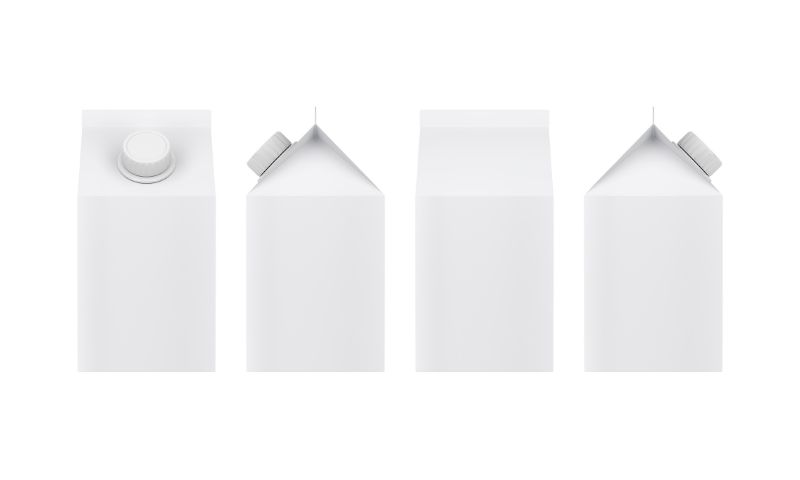
- A wholesome association: The gable top carton has always been associated with wholesomeness and premium products. Consumers instinctively perceive it as a low-impact and sustainable packaging solution for fresh nutritional drinks.
- Valuable “billboard space”: Beyond being visually appealing on retail shelves, the large printable area of a carton allows you to explain in detail the reasons for choosing new sustainable packaging solutions, giving your brand valuable “billboard space” for messaging.
Reducing dependency from plastic
Beyond costs and logistics, switching to gable top cartons helps protect your business from global supply chain disruptions. Traditional PET bottle manufacturing depends heavily on crude oil. Recent ongoing wars have caused global oil prices to spike, creating severe raw material bottlenecks. For beverage manufacturers relying entirely on plastic, this has led to sudden material shortages and volatile production costs that force them to raise their end-product prices.
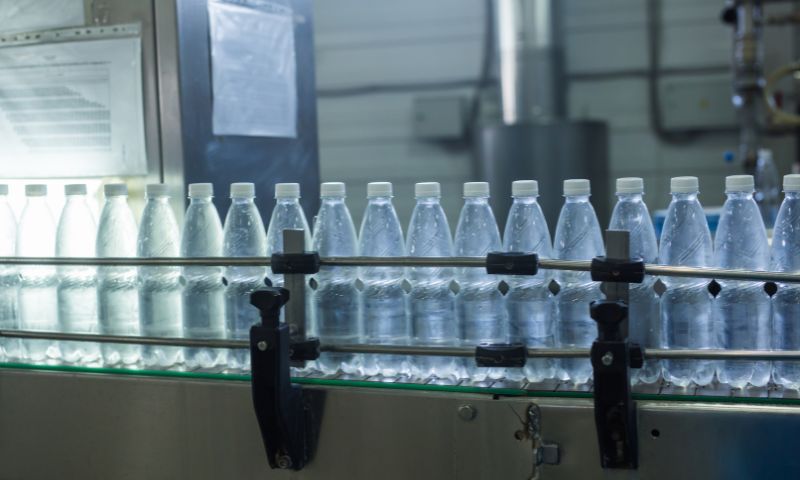
Transitioning to gable top cartons allows you to bypass these volatile oil markets. Cartons are primarily made from wood fiber sourced from stable forestry markets that can reliably supply materials even during international conflicts. While cartons still use a very thin polymer layer to keep them waterproof, the amount of oil needed is minimal compared to a heavy plastic bottle. As a result, global oil shocks will have a significantly lower impact on your profit margins, ensuring your production line keeps running smoothly.
Simple projects, cheaper investment
The typical capacity of a gable top packaging line for beverages ranges from 3,000 to 6,500 cartons per hour. The line is remarkably compact in size and can easily complement your existing bottling plant, enabling you to diversify your offering with a new package made of recyclable packaging materials.
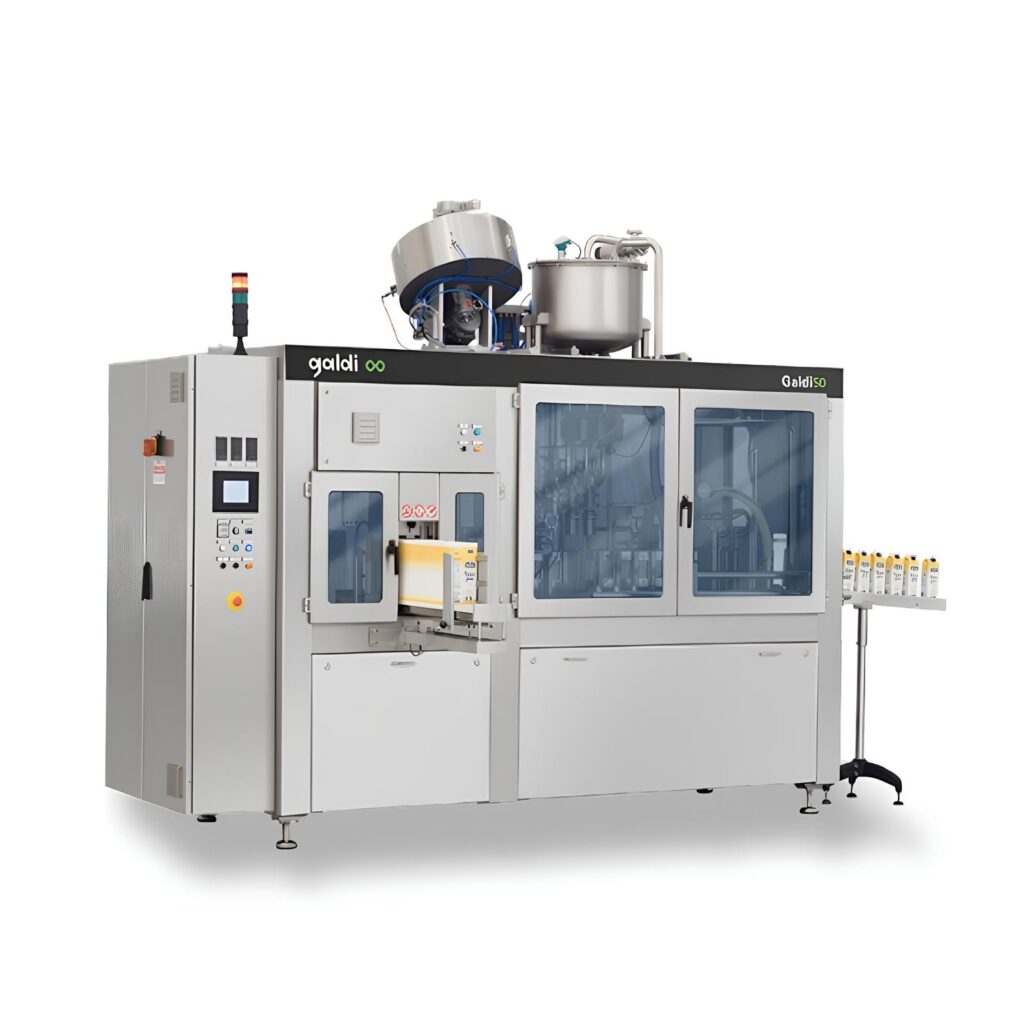
- The all-in-one self-contained machine: The exact same gable top filling machine performs operations that would typically require completely separate machines in a glass or plastic packaging plant – such as rinsing (for glass), bottle blowing, filling, and labeling. In other words, a single machine delivers a finished, ready-to-ship product.
- Reduced investment and footprint: Because a single machine handles the entire process, you require a smaller capital investment and less factory floor space, reducing investments and leaving room for future expansions. Because gable top often serves as a vessel for fresh products, dairy and fruit juice companies picking gable top often do not require an aseptic processing facility, greatly reducing the capital investment of the project.
Easy to handle by the whole supply chain
By its very nature, the gable top carton requires different transport, secondary packaging, and palletizing solutions compared to traditional bottles. However, its structural characteristics offer distinct advantages:
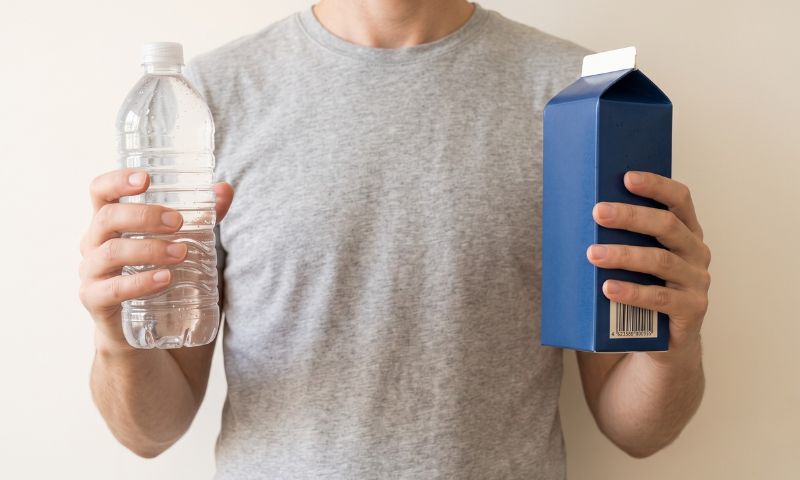
- Unbreakable: Cartons are unbreakable, making them an ideal application for high-traffic food service, retail, and catering markets.
- Lightweight and square: They are light for transport and feature a square shape, which is optimal for secondary packaging and palletizing. For the same product weight, they take up less volume versus plastic bottles.
- Renewable Sourcing: Both the primary and secondary packaging are made from renewable materials, promoting consistent packaging sourcing and a strong brand image.
- End-of-line: For end-of-line packaging, wrap-around and shrink-wrapping machines are used. Drawing on long industry experience, Galdi supports customers in creating optimal palletizing patterns based on your specific transportation and distribution requirements.
Supports companies achieving sustainability targets
Gable top packaging is mostly recyclable. Their material composition consists of:
- Paper (75%): A renewable material sourced from responsibly managed forests (FSC).
- Polymers and Biopolymers (21%): 100% recyclable and/or renewable materials.
- Aluminium (4%): 100% recyclable, sourced mostly from certified suppliers complying with strict environmental and social standards throughout the manufacturing process.
Furthermore, more and more businesses use the materials recovered from recycled cartons to manufacture home and personal hygiene products, as well as gadgets, household accessories, industrial components, and street furniture.
Conclusion
For many companies, the switch from bottles to gable top cartons gives you a more reliable, cost-effective, and sustainable way to package your products while breaking free from volatile plastic supply chains.
This creates a highly efficient process for your facility and an eco-friendly experience even for your end-consumers. If you are looking to upgrade your filling line and protect your margins, let’s talk about how we can help you make a seamless transition!