Hot fill and aseptic filling are two important methods used to ensure beverage safety and extend shelf life. Both technologies protect the product during filling, but they follow different processes and are used for different types of drinks.
Across Thailand, Vietnam, and Indonesia, beverage producers process a wide range of fruit juices and drinks. Many of these products are naturally acidic, which makes them well suited for hot fill packaging.
Examples include juices made from guava, mandarin orange, mango, and pineapple. These fruits are widely used in Southeast Asian beverage production and help support microbiological stability.
Aseptic and hot fill packaging
Aseptic filling sterilizes both the beverage and the container separately, with the product then filled in a sterile environment. This method is ideal for products requiring an extended shelf life without refrigeration – most notably in the dairy sector, where a high-performance milk packaging machine is essential to maintain product integrity.
Similarly, packaging sensitive products like liquid eggs requires rigorous microbiological control. To meet these high hygiene standards, producers utilize dedicated liquid egg filling equipment designed for maximum safety. By choosing a refined aseptic process, manufacturers can guarantee the integrity and shelf life of even the most delicate liquid ingredients.
Hot fill packaging, however, uses heat to protect the beverage. The product is heated, filled into the container while still hot, sealed immediately, and then cooled. The heat treatment eliminates most microorganisms and helps keep the beverage safe during storage.
How the hot fill process works
In hot fill production, the beverage is first heated in a heat exchanger. It is then filled into the container at high temperature and sealed quickly.
Containers are sometimes inverted briefly so the hot liquid sterilizes the inner part of the closure. After this step, the product is cooled.
During cooling, a vacuum forms inside the package. This vacuum reduces oxygen and helps protect the beverage from oxidation and spoilage.
Shelf life and product quality
Hot fill processing allows many beverages to be stored at room temperature while maintaining safety and quality. Process parameters such as temperature and pH are carefully monitored to ensure proper microbial control.
For acidic products made from fruits like guava, mandarin orange, mango, and pineapple, the hot fill process provides a reliable balance between shelf life, product quality, and production efficiency. Achieving this consistency requires a high-performance fruit juice filling machine that can manage these variables at scale, allowing producers to maximize output without compromising the integrity of the beverage.
Packaging for growing beverage markets
As beverage production expands in Southeast Asia, producers are looking for packaging solutions that combine safety, efficiency, and sustainability.
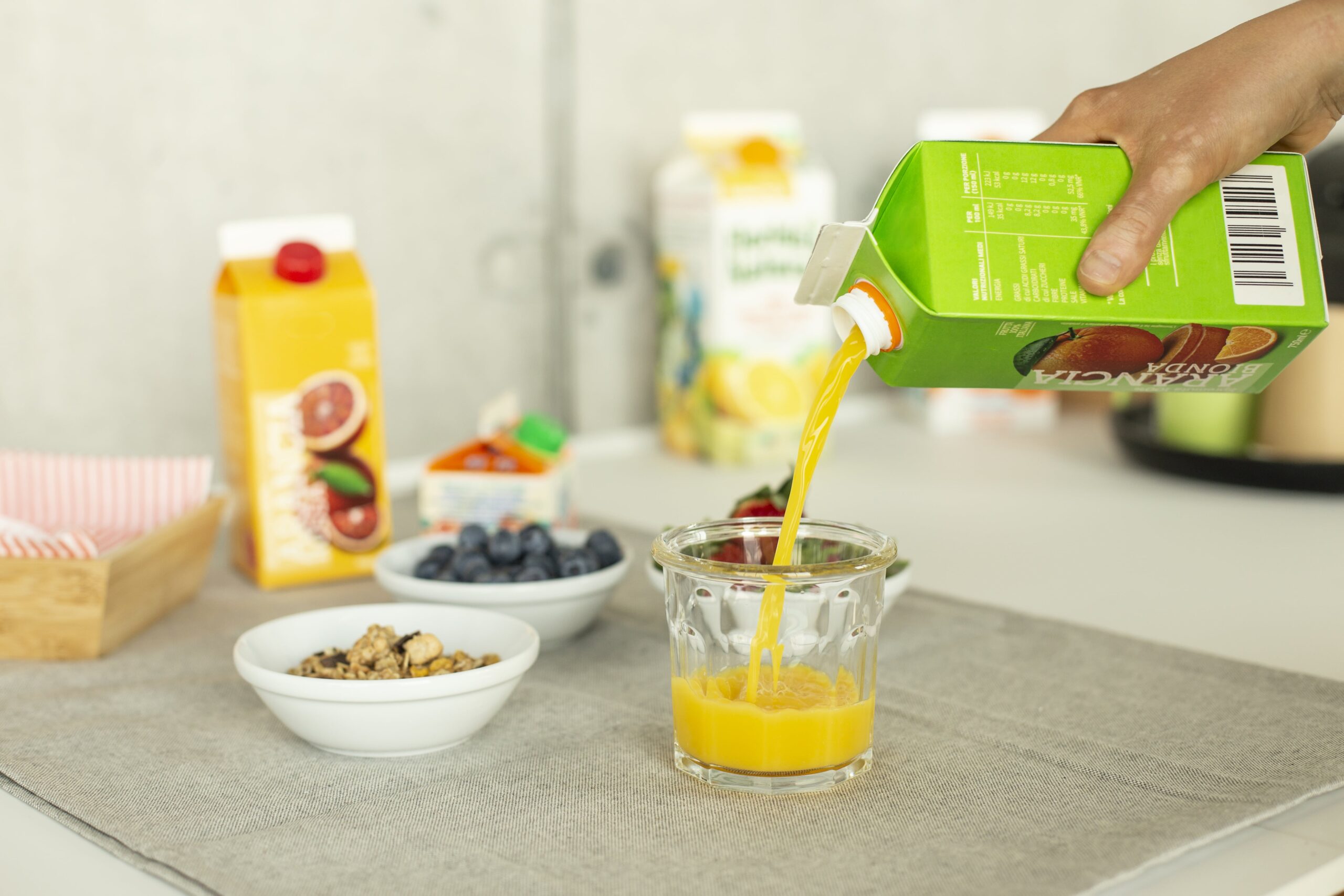
When paired with formats such as gable top cartons, Galdi‘s hot fill technology supports reliable packaging for juices and other acidic beverages sold across the region’s modern retail markets.